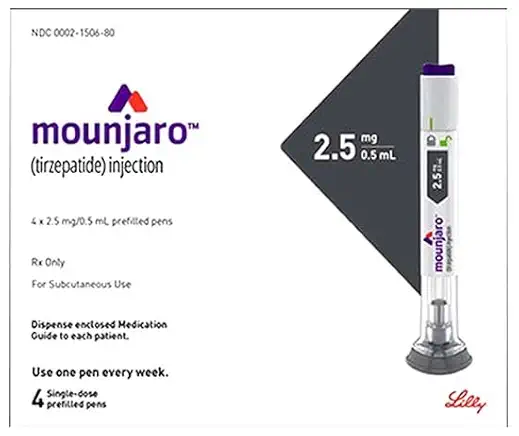
About this medication
TIRZEPATIDE (tir ZEP a tide) treats type 2 diabetes. It works by increasing insulin levels in your body, which decreases your blood sugar (glucose). It also reduces the amount of sugar released into your blood and slows down your digestion. Changes to diet and exercise are often combined with this medication.
https://en.wikipedia.org/wiki/Tirzepatide
How should you use this medication?
This medication is injected under the skin. You will be taught how to prepare and give it. It is given once every week (every 7 days). Keep taking it unless your health care provider tells you to stop. If you use this medication with insulin, you should inject this medication and the insulin separately. Do not mix them together. Do not give the injections right next to each other. Change (rotate) injection sites with each injection. This medication comes with INSTRUCTIONS FOR USE. Ask your pharmacist for directions on how to use this medication. Read the information carefully. Talk to your pharmacist or care team if you have questions. It is important that you put your used needles and syringes in a special sharps container. Do not put them in a trash can. If you do not have a sharps container, call your pharmacist or care team to get one. A special MedGuide will be given to you by the pharmacist with each prescription and refill. Be sure to read this information carefully each time. Talk to your care team about the use of this medication in children. Special care may be needed.
What are the possible side effects of this medicine?
Side effects that you should report to your care team as soon as possible:
- Allergic reactions–skin rash, itching, hives, swelling of the face, lips, tongue, or throat
- Change in vision
- Dehydration–increased thirst, dry mouth, feeling faint or lightheaded, headache, dark yellow or brown urine
- Fast or irregular heartbeat
- Gallbladder problems–severe stomach pain, nausea, vomiting, fever
- Kidney injury–decrease in the amount of urine, swelling of the ankles, hands, or feet
- Pancreatitis–severe stomach pain that spreads to your back or gets worse after eating or when touched, fever, nausea, vomiting
- Thyroid cancer–new mass or lump in the neck, pain or trouble swallowing, trouble breathing, hoarseness Side effects that usually do not require medical attention (report these to your care team if they continue or are bothersome):
- Constipation
- Diarrhea
- Loss of appetite
- Nausea
- Upset stomach
Read lessWhat may interact with this medicine?
Our pharmacists will check to see if this medication will cause any interactions with the information in your profile.
- Alcohol
- Antiviral medications for HIV or AIDS
- Aspirin and aspirin-like medications
- Beta blockers, such as atenolol, metoprolol, propranolol
- Certain medications for blood pressure, heart disease, irregular heart beat
- Chromium
- Clonidine
- Diuretics
- Estrogen or progestin hormones
- Fenofibrate
- Gemfibrozil
- Guanethidine
- Isoniazid
- Lanreotide
- Male hormones or anabolic steroids
- MAOIs, such as Marplan, Nardil, and Parnate
- Medications for weight loss
- Medications for allergies, asthma, cold, or cough
- Medications for depression, anxiety, or mental health conditions
- Niacin
- Nicotine
- NSAIDs, medications for pain and inflammation, such as ibuprofen or naproxen
- Octreotide
- Other medications for diabetes, such as glyburide, glipizide, or glimepiride
- Pasireotide
- Pentamidine
- Phenytoin
- Probenecid
- Quinolone antibiotics, such as ciprofloxacin, levofloxacin, ofloxacin
- Reserpine
- Some herbal dietary supplements
- Steroid medications, such as prednisone or cortisone
- Sulfamethoxazole; trimethoprim
- Thyroid hormones
- Warfarin