
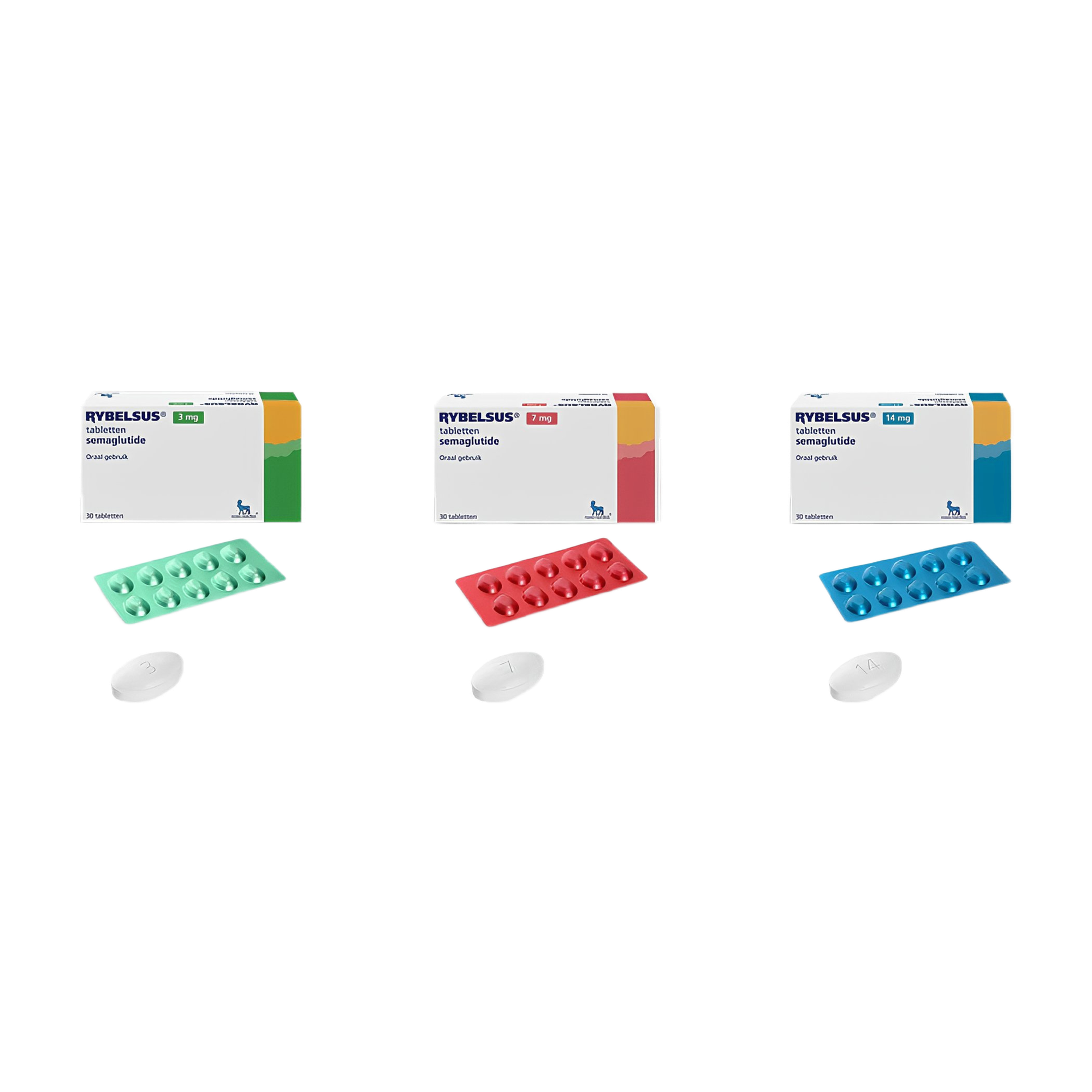
About Rybelsus
SEMAGLUTIDE (SEM a GLOO tide) treats type 2 diabetes. It works by increasing insulin levels in your body, which decreases your blood sugar (glucose). It also reduces the amount of sugar released into the blood and slows down your digestion. Changes to diet and exercise are often combined with this medication.
How should you use Rybelsus ?
Take this medication by mouth with a sip of water (no more than 4 ounces). Take it in the morning right after waking up every day. Take it on an empty stomach, at least 30 minutes before food, drink, or other medications. Do not cut, crush, or chew this medication. Swallow the tablets whole. Keep taking it unless your care team tells you to stop. A special MedGuide will be given to you by the pharmacist with each prescription and refill. Be sure to read this information carefully each time. Talk to your care team about the use of this medication in children. Special care may be needed.
What are the possible side effects of Rybelsus ?
Side effects that you should report to your care team as soon as possible:
- Allergic reactions–skin rash, itching, hives, swelling of the face, lips, tongue, or throat
- Change in vision
- Dehydration–increased thirst, dry mouth, feeling faint or lightheaded, headache, dark yellow or brown urine
- Fast or irregular heartbeat
- Fast or irregular heartbeat
- Gallbladder problems–severe stomach pain, nausea, vomiting, fever
- Kidney injury–decrease in the amount of urine, swelling of the ankles, hands, or feet
- Pancreatitis–severe stomach pain that spreads to your back or gets worse after eating or when touched, fever, nausea, vomiting
- Thyroid cancer–new mass or lump in the neck, pain or trouble swallowing, trouble breathing, hoarseness
- Constipation
- Constipation
- Diarrhea
- Loss of appetite
- Nausea
- Upset stomach
What may interact with Rybelsus ?
Our pharmacists will check to see if this medication will cause any interactions with the information in your profile.
- Digoxin
- Levothyroxine
- Warfarin Some medications may affect your blood sugar levels or hide the symptoms of low blood sugar (hypoglycemia). Talk with your care team about all the medications you take. They may suggest changes to your insulin dose or checking your blood sugar levels more often. Medications that may affect your blood sugar levels include:
- Alcohol
- Certain antibiotics, such as ciprofloxacin, levofloxacin, sulfamethoxazole; trimethoprim
- Certain medications for blood pressure or heart disease, such as benazepril, enalapril, lisinopril, losartan, valsartan
- Certain medications for mental health conditions, such as fluoxetine or olanzapine
- Diuretics, such as hydrochlorothiazide (HCTZ)
- Estrogen and progestin hormones
- Other medications for diabetes
- Steroid medications, such as prednisone or cortisone
- Testosterone
- Thyroid hormones Medications that may mask symptoms of low blood sugar include:
- Beta blockers, such as atenolol, metoprolol, propranolol
- Clonidine
- Guanethidine
- Reserpine
Reviews
There are no reviews yet.